Nuclear Threat from Space: Western Intelligence Warns of Russia's Orbital Weapon Plans
Western intelligence agencies report that Russia plans to deploy a nuclear-armed satellite into orbit as early as 2024.
 🇺🇦Ukraine
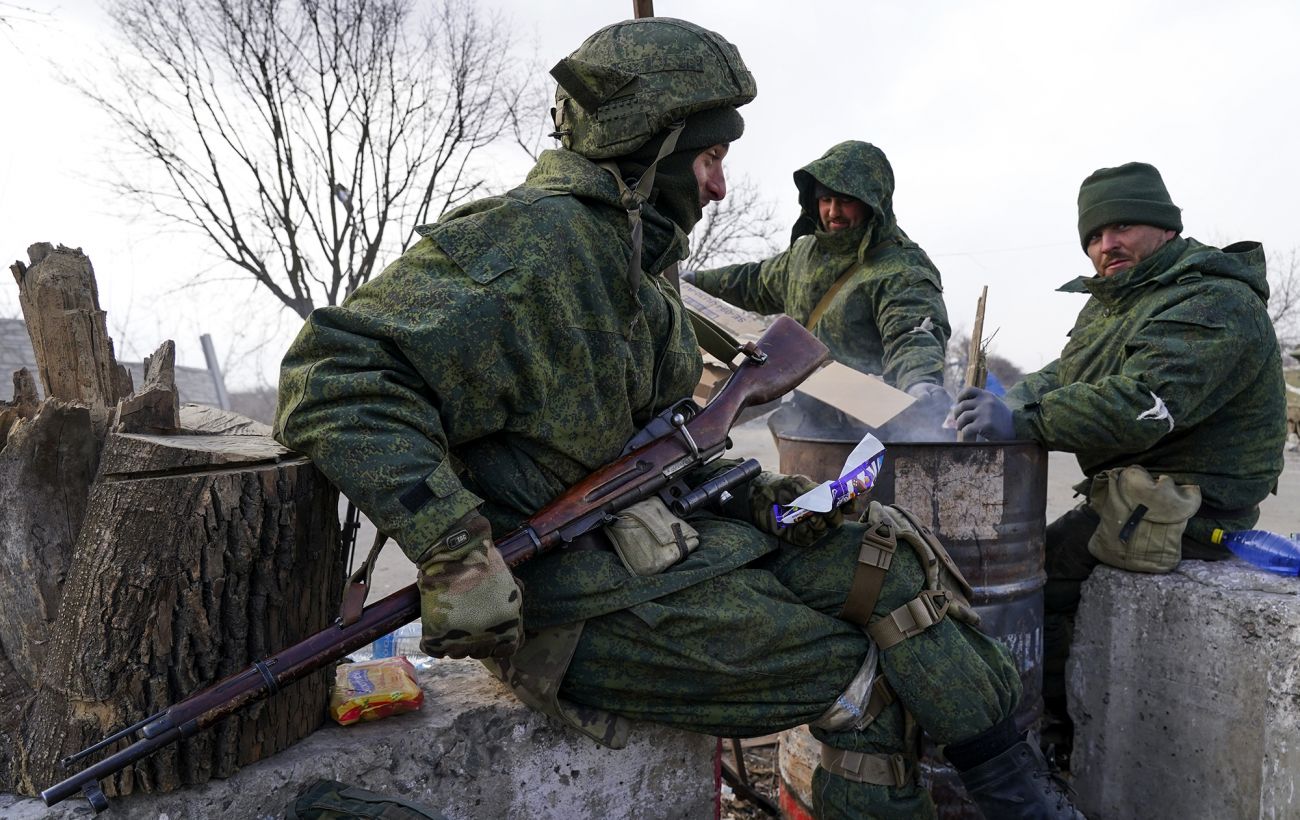
Photo: UNIAN
Key points
- Western intelligence warns of a potential Russian nuclear satellite launch in 2024.
- An orbital nuclear blast could disable GPS and communication networks globally for months.
- Recent maneuvers near satellites supporting Ukraine indicate Russia's growing aggression in space.
Western intelligence agencies, including the German Bundeswehr and the Federal Intelligence Service (BND), have expressed serious concerns over the Russian Federation's plans for the militarization of space. According to intelligence reports, Moscow is preparing to launch a satellite equipped with a nuclear warhead into Earth's orbit. This move could take place within the coming weeks or by the end of this year, posing new challenges to global security and the stability of space infrastructure.
According to the data, the device, technically named "Sputnik-S," is already fully constructed and is currently being stored in the Moscow region. Several NATO member countries recently exchanged intelligence confirming the high probability of the launch. Experts suggest that the primary goal of such a step is strategic deterrence of the West through the threat of total destruction of satellite networks.
Consequences for Global Infrastructure
Military analysts warn that the detonation of a nuclear device in low Earth orbit would lead to catastrophic consequences. The explosion would cause a powerful electromagnetic pulse and radiation contamination, disabling most active satellites within a few months. This would paralyze global positioning systems (GPS), telecommunications, and weather forecasting. For the civilian population, this would mean disruptions in internet services, mobile communications, and aviation navigation.
Western countries are critically dependent on space technologies for intelligence and operational command. In contrast, Russia has likely prepared for such a scenario in advance. Specifically, the use of research vessels for precise mapping of the seabed has been recorded, allowing the Russian navy to operate even without satellite support.
Space Maneuvers and Threats
Concerns are reinforced by recent incidents in orbit. In October, the Russian spacecraft "Cosmos-2612" performed a dangerous maneuver near the American satellite ICEYE-X36, which provides data for the Ukrainian military. Specialists from LeoLabs characterized this maneuver as a deliberate attempt to interfere with the operation of Western equipment. Such actions demonstrate the Kremlin's readiness for aggressive acts in outer space, requiring increased vigilance from the international community.
Source UNIAN — unian.ua/weapons/rosiya-planuye-rozgornuti-yadernu-zbroyu-v-kosmosi… ↗
Read next
 🛡️Security
Russian army losses in 2026 reach a record high since the start of the full-scale war
The General Staff of the Armed Forces of Ukraine reported that the number of casualties among occupation forces this year has already exceeded the total for 2024.
 👥Society
Ukraine to Launch Interactive Map of Housing for IDPs
The government plans to launch an online service to help internally displaced persons find suitable housing options.
 🛡️Security
Estonia warns against attacks on tankers in the Baltic Sea due to environmental risks
Estonian Prime Minister Kristen Michal stated that the country's territory cannot be used for attacks on vessels, emphasizing the threat of sea pollution.
 💡Tech
Holiday Gift Guide: 10 Ideas for Science and Tech Enthusiasts
A selection of unconventional gifts combining intellectual development, practical skills, and modern technology for the Varash community.
 🛡️Security
Court upholds detention of woman posing as medic during National Guard facility blockade
The Kyiv Court of Appeal has rejected the appeal of a suspect accused of provocations near a National Guard unit, keeping her in custody without bail.
Family-based care in Rivne region: over 200 children find new homes
In the Rivne district, 54 foster families and family-type orphanages provide care for 216 orphaned children.