The Economist analysts warn of deepening cooperation between Russia, China, Iran, and North Korea
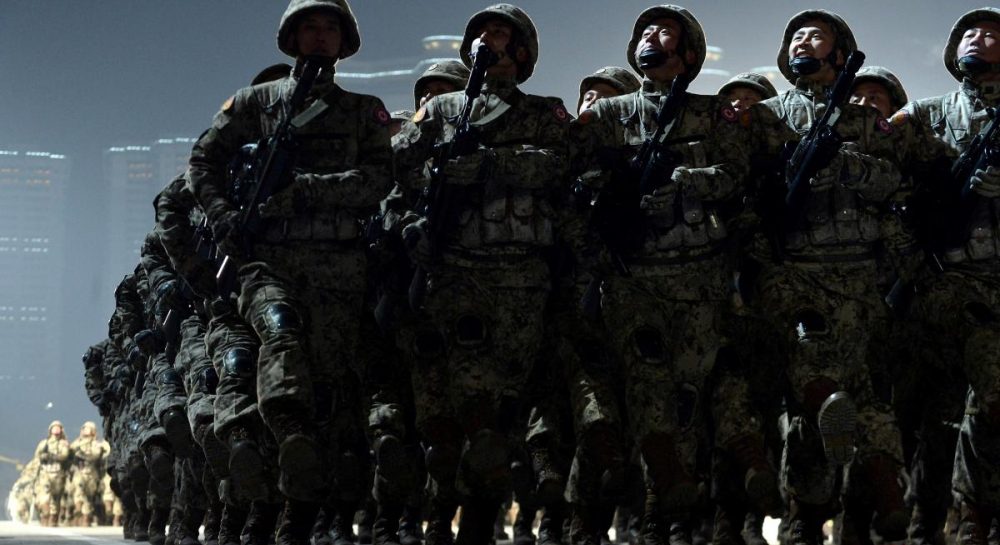
Authoritarian regimes are forming a tight alliance, exchanging technologies and military expertise, which creates new challenges for global security.
 🇺🇦Ukraine
Photo: UNIAN
Key points
- Formation of an informal alliance between Russia, China, Iran, and North Korea
- Over 600 documented cases of security cooperation since 2019
- Lack of unified command despite high coordination
A New Geopolitical Reality
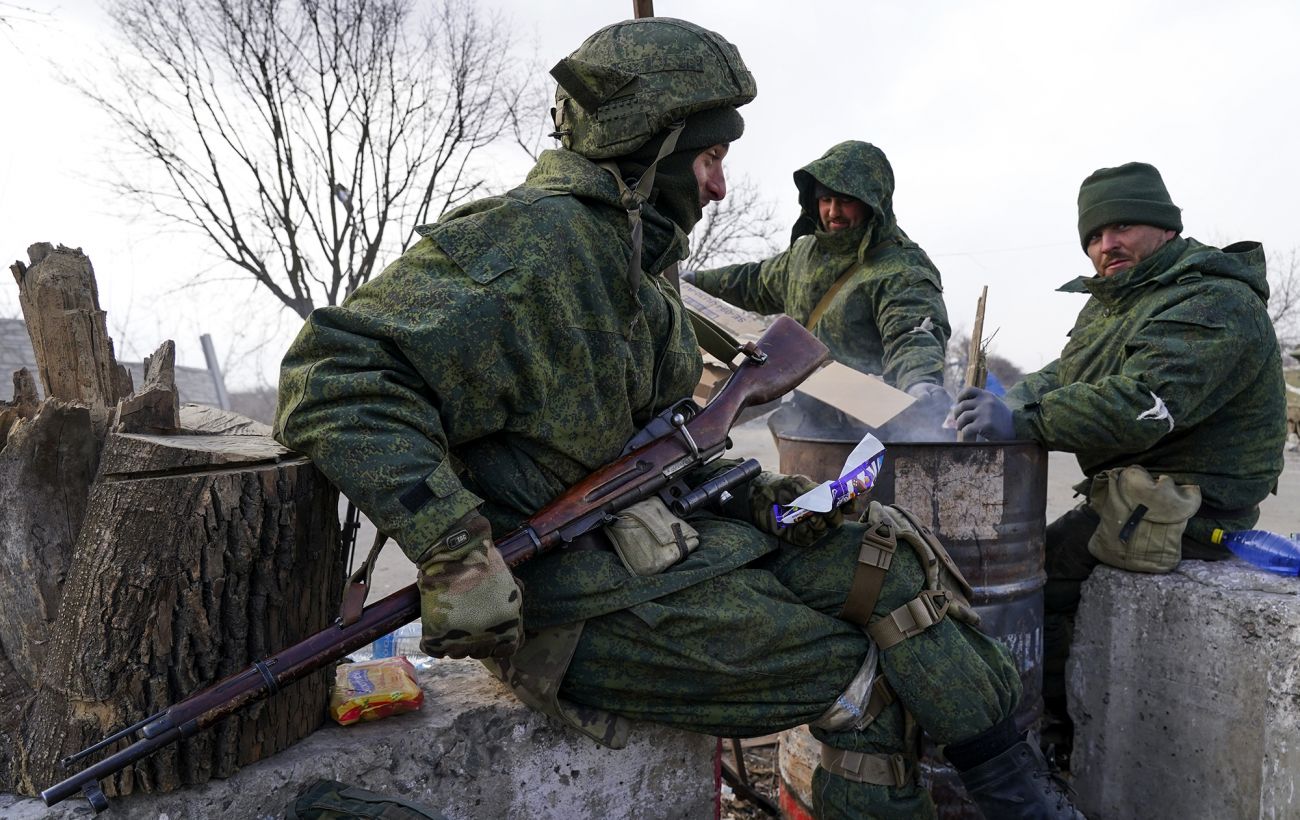
The Economist has released a report detailing the formation of an informal yet increasingly coordinated alliance between Russia, China, Iran, and North Korea. According to experts, these nations are actively exchanging intelligence, military technologies, and weaponry, allowing them to more effectively bypass international sanctions.
The FDD think tank has documented over 600 instances of security-related cooperation between these countries over the past six years. This interaction has intensified significantly since the start of Russia's full-scale invasion of Ukraine, fundamentally altering the global balance of power.
Characteristics of the Cooperation
Despite the close interaction, the report's authors note that this alliance is not a NATO equivalent. The countries lack a unified command structure, and their economic interests sometimes conflict. For instance, China seeks stability in energy markets, while Russia benefits from volatility and higher oil prices.
Nevertheless, mutual support makes these regimes significantly more dangerous to the West. Experts emphasize that the lack of a unified response strategy from democratic nations only facilitates the further strengthening of this informal bloc.
Source UNIAN — unian.ua/world/rosiya-knr-iran-ta-pivnichna-koreya-stvorili-neforma… ↗
Read next
 🛡️Security
Russian army losses in 2026 reach a record high since the start of the full-scale war
The General Staff of the Armed Forces of Ukraine reported that the number of casualties among occupation forces this year has already exceeded the total for 2024.
 👥Society
Ukraine to Launch Interactive Map of Housing for IDPs
The government plans to launch an online service to help internally displaced persons find suitable housing options.
 🛡️Security
Estonia warns against attacks on tankers in the Baltic Sea due to environmental risks
Estonian Prime Minister Kristen Michal stated that the country's territory cannot be used for attacks on vessels, emphasizing the threat of sea pollution.
 💡Tech
Holiday Gift Guide: 10 Ideas for Science and Tech Enthusiasts
A selection of unconventional gifts combining intellectual development, practical skills, and modern technology for the Varash community.
 🛡️Security
Court upholds detention of woman posing as medic during National Guard facility blockade
The Kyiv Court of Appeal has rejected the appeal of a suspect accused of provocations near a National Guard unit, keeping her in custody without bail.
Family-based care in Rivne region: over 200 children find new homes
In the Rivne district, 54 foster families and family-type orphanages provide care for 216 orphaned children.