Bioenergy of the future: scientists learn to generate electricity from cacti
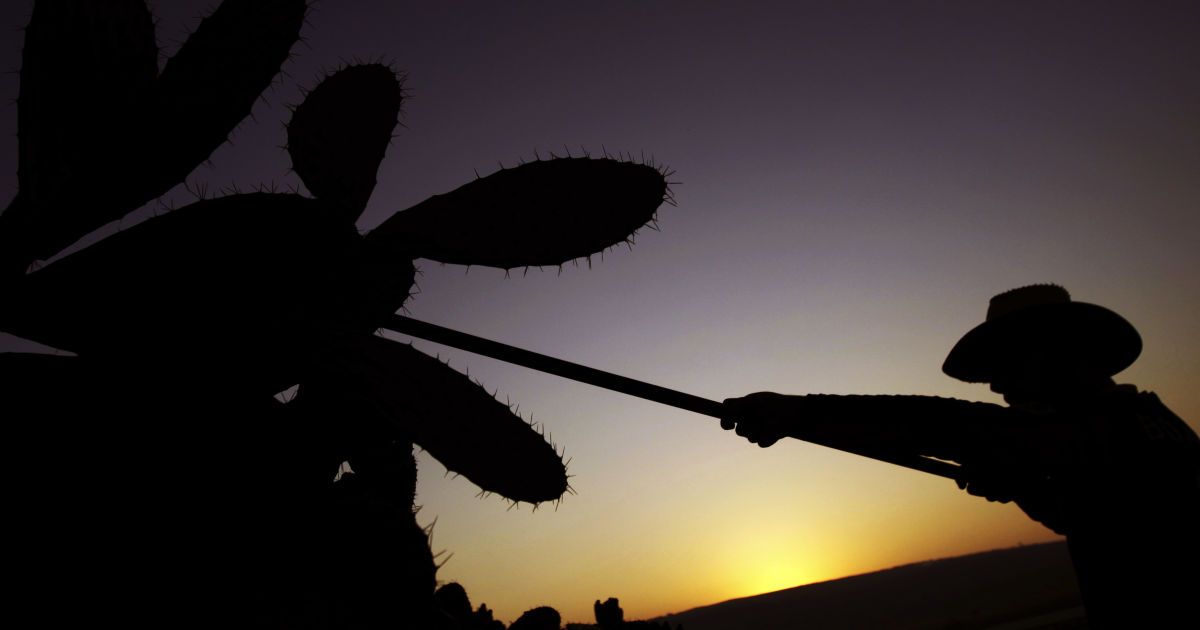
Researchers from the University of California have developed a method to generate electricity from prickly pear cacti using their unique photosynthesis mechanism.
 💡Tech
Photo: TSN
Key points
- Using CAM photosynthesis for power generation
- Generating 4.5 volts from eight cactus stems
- Potential for autonomous environmental sensors
A new approach to renewable energy
Scientists at the University of California, Santa Cruz, have introduced a technology that turns prickly pear cacti into organic power sources. Thanks to a specific type of photosynthesis known as Crassulacean Acid Metabolism (CAM), these plants are capable of generating electrical voltage.
Professor Michael Loik and researcher Charlie Chesney discovered that the difference in acidity levels within the plant's stem creates a pH gradient. By installing specialized electrodes, the researchers were able to capture voltage sufficient to power low-energy sensors.
Practical applications and future prospects
- A single cactus stem generates up to 0.5 volts of energy.
- Connecting eight stems produced 4.5 volts, equivalent to three AA batteries.
- The technology is intended for powering sensors in agricultural monitoring.
Beyond energy production, measuring voltage allows for monitoring the physiological state of the plant. This opens possibilities for creating "smart" environmental monitoring systems where the plant itself becomes part of the technical infrastructure.
Source TSN — tsn.ua/nauka_it/roslyna-iaka-vyrobliaye-elektryku-vcheni-zrobyly-nespod… ↗
Read next
 🛡️Security
Russian army losses in 2026 reach a record high since the start of the full-scale war
The General Staff of the Armed Forces of Ukraine reported that the number of casualties among occupation forces this year has already exceeded the total for 2024.
 👥Society
Ukraine to Launch Interactive Map of Housing for IDPs
The government plans to launch an online service to help internally displaced persons find suitable housing options.
 🛡️Security
Estonia warns against attacks on tankers in the Baltic Sea due to environmental risks
Estonian Prime Minister Kristen Michal stated that the country's territory cannot be used for attacks on vessels, emphasizing the threat of sea pollution.
 🛡️Security
Court upholds detention of woman posing as medic during National Guard facility blockade
The Kyiv Court of Appeal has rejected the appeal of a suspect accused of provocations near a National Guard unit, keeping her in custody without bail.
Family-based care in Rivne region: over 200 children find new homes
In the Rivne district, 54 foster families and family-type orphanages provide care for 216 orphaned children.
 👥Society
Budget-friendly fish alternatives: expert advice for a healthy diet
Nutritionist Yevheniia Rozum explains how to replace expensive fish with affordable, nutrient-rich alternatives.