Ancient Omens vs Science: What the Upcoming Winter Will Look Like
Ahead of the winter season, experts compared historical weather folklore with modern meteorological models. While an 19th-century calendar predicts a harsh season, scientists offer a different outlook.
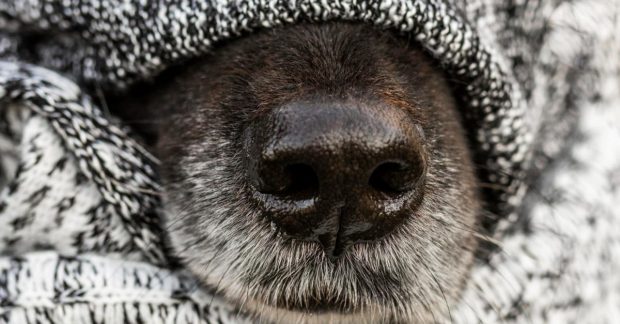 👥Society
Photo: UNIAN
Key points
- An 1851 Hungarian calendar predicted a harsh winter
- Most historical weather omens lack statistical accuracy
- Modern meteorologists forecast a mild winter due to El Niño
As the winter months approach, farmers and residents traditionally look ahead to see what kind of weather the season will bring. This is especially relevant for agriculture, as dry soils desperately need adequate precipitation. Recently, researchers turned their attention to an old Hungarian calendar published in 1851, which compiled weather folklore based on concepts originally developed by a German abbot.
What History and Old Calendars Say
According to the logic of this historical book, the current astrological period was supposed to bring a dry and cold winter. While some historical observations regarding cold temperatures showed occasional accuracy, experts note that the vast majority of such traditional rules perform no better than random chance. Nonetheless, rural communities historically relied on specific calendar dates and seasonal milestones to guess upcoming weather patterns.
Modern science, however, relies on complex climate models rather than medieval folklore. Meteorologists warn that the ongoing super El Niño phenomenon will peak between November and February, bringing notably milder and wetter conditions to parts of Europe. This modern forecast stands in stark contrast to the ominous predictions found in the century-old texts.
Source UNIAN — unian.ua/pogoda/news/zima-2026-2027-chi-bude-vona-holodnoyu-i-suhoy… ↗
Read next
 🛡️Security
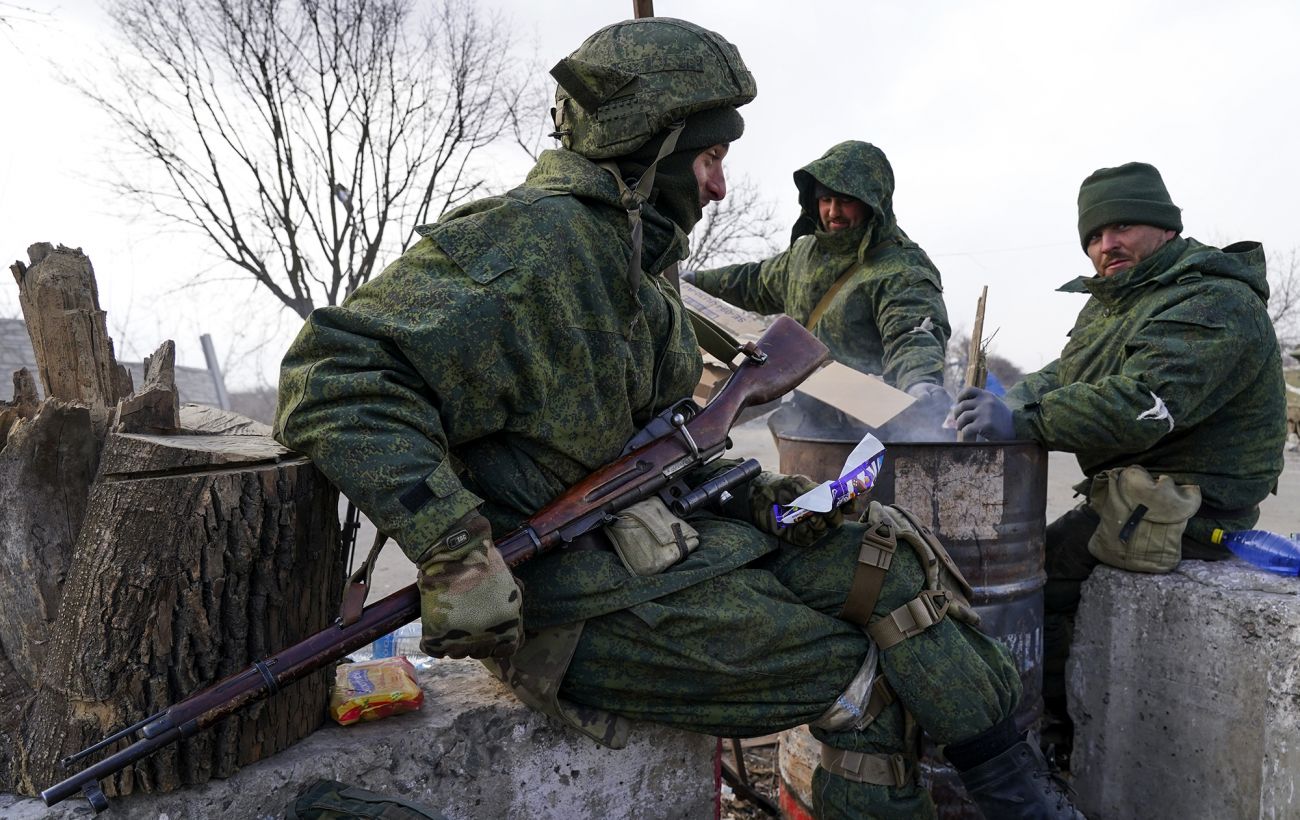
Russian army losses in 2026 reach a record high since the start of the full-scale war
The General Staff of the Armed Forces of Ukraine reported that the number of casualties among occupation forces this year has already exceeded the total for 2024.
 🛡️Security
Estonia warns against attacks on tankers in the Baltic Sea due to environmental risks
Estonian Prime Minister Kristen Michal stated that the country's territory cannot be used for attacks on vessels, emphasizing the threat of sea pollution.
 💡Tech
Holiday Gift Guide: 10 Ideas for Science and Tech Enthusiasts
A selection of unconventional gifts combining intellectual development, practical skills, and modern technology for the Varash community.
 🛡️Security
Court upholds detention of woman posing as medic during National Guard facility blockade
The Kyiv Court of Appeal has rejected the appeal of a suspect accused of provocations near a National Guard unit, keeping her in custody without bail.
 🚨Events
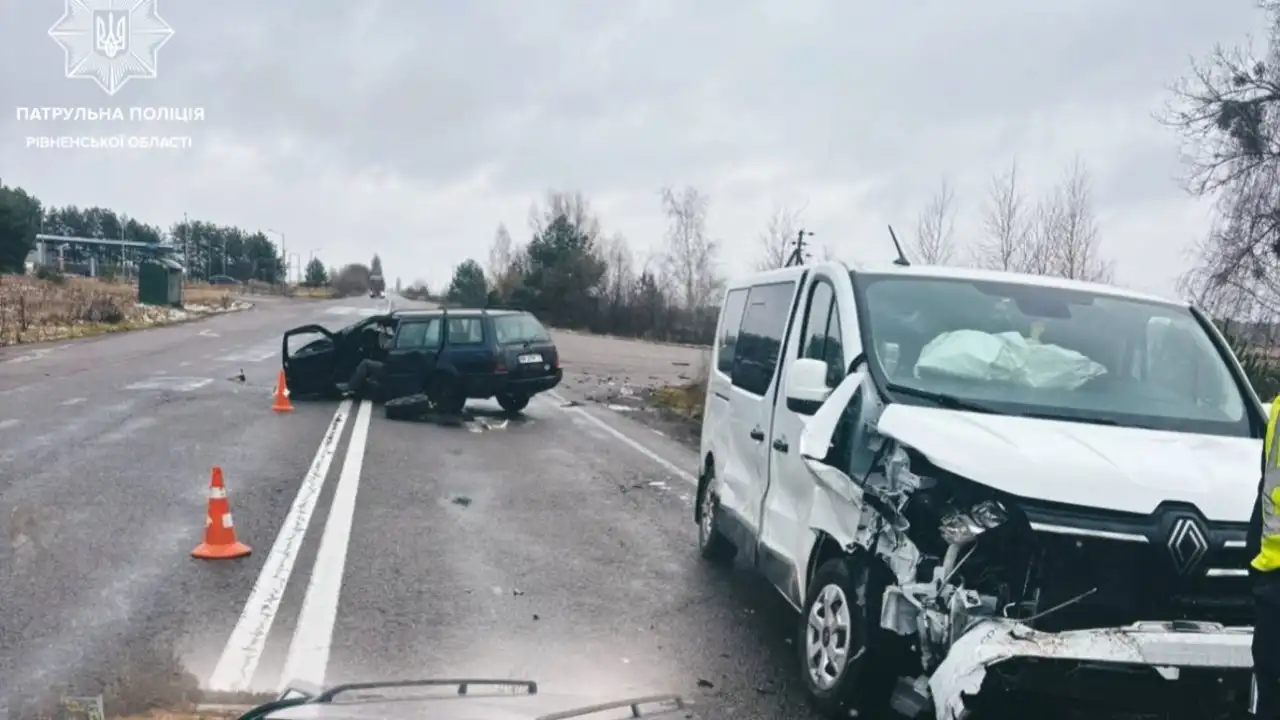
Traffic accident on the Kyiv-Kovel highway: overtaking at an intersection caused a collision
A traffic accident occurred in the Rivne region near the village of Velykhiv due to a violation of overtaking rules. Fortunately, there were no injuries.
 🇺🇦Ukraine
Maritime Security and Libya Strike: Sybiha and Tajani Discuss New Challenges
The Foreign Ministers of Ukraine and Italy held talks on freedom of navigation and the consequences of the attack on the Russian corvette "Merkury" in the Mediterranean.