Microplastics in water: scientists discover new health risks
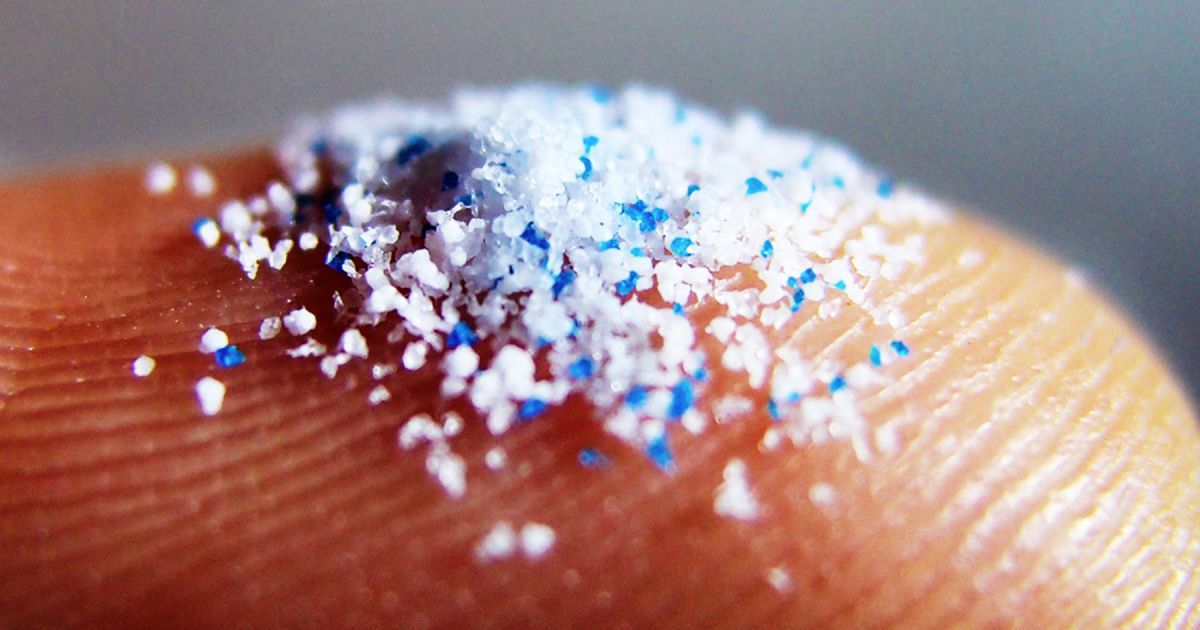
Researchers have found that microplastics do not just accumulate in the body, but also trigger chemical reactions with water that can damage cells.
 🩺Health
Photo: TSN
Key points
- Microplastics trigger chemical reactions in water.
- Reactive oxygen species can damage cells.
- Heating plastic in daily life increases particle release.
Microplastics, previously considered a passive pollutant, have proven to be significantly more dangerous. Scientists from Columbia University and the University of California, Berkeley, have demonstrated that plastic particles, upon contact with water, can trigger chemical processes that may damage DNA and cellular structures.
Chemical activity of plastic
During interaction with water, reactive oxygen species form on the surface of the plastic. These molecules, including hydroxyl radicals, are chemically aggressive. Research on six types of plastic, including polyethylene and polypropylene, confirmed that the intensity of these reactions depends on the surface properties of the material.
Experiments on blood cells showed that microplastics can cause damage to red blood cells. Furthermore, the presence of plastic in wastewater and daily life—such as through heating containers or using disposable tableware—creates additional risks for the accumulation of these particles in the environment.
Source TSN — tsn.ua/zdorovya/mikroplastyk-vyiavyvsia-nebezpechnishym-niz-vvazaly-shc… ↗
Read next
 🛡️Security
Russian army losses in 2026 reach a record high since the start of the full-scale war
The General Staff of the Armed Forces of Ukraine reported that the number of casualties among occupation forces this year has already exceeded the total for 2024.
 👥Society
Ukraine to Launch Interactive Map of Housing for IDPs
The government plans to launch an online service to help internally displaced persons find suitable housing options.
 🛡️Security
Estonia warns against attacks on tankers in the Baltic Sea due to environmental risks
Estonian Prime Minister Kristen Michal stated that the country's territory cannot be used for attacks on vessels, emphasizing the threat of sea pollution.
 💡Tech
Holiday Gift Guide: 10 Ideas for Science and Tech Enthusiasts
A selection of unconventional gifts combining intellectual development, practical skills, and modern technology for the Varash community.
 🛡️Security
Court upholds detention of woman posing as medic during National Guard facility blockade
The Kyiv Court of Appeal has rejected the appeal of a suspect accused of provocations near a National Guard unit, keeping her in custody without bail.
Family-based care in Rivne region: over 200 children find new homes
In the Rivne district, 54 foster families and family-type orphanages provide care for 216 orphaned children.